How Late Can You Exercise and Still Sleep Well? Science-Backed Tips
Wondering how late can you exercise and still sleep well? Discover the 4-hour workout cutoff rule, core body temperature science, and evening recovery tips.
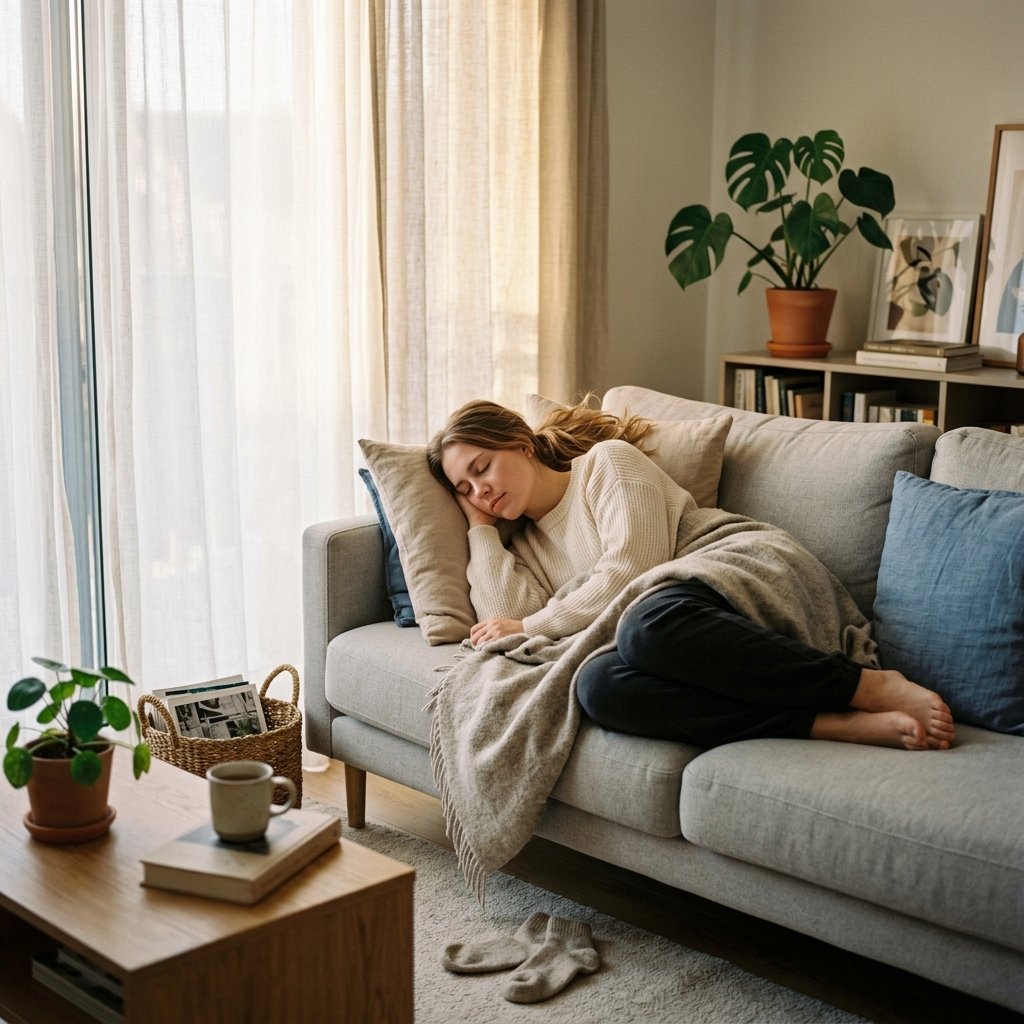
Do you enjoy evening workouts after work, but struggle to fall asleep later at night? If so, asking how late can you exercise and still sleep well is vital for protecting your evening recovery. Specifically, physical activity boosts health, but late-night workouts can raise core body temperature and heart rate.
Many active adults find that intense evening exercise leaves them feeling physically tired yet mentally alert in bed. High-intensity training raises adrenaline, cortisol, and internal body heat. Fortunately, adjusting workout timing and intensity allows you to exercise without harming night sleep.
In our ultimate guide to restorative sleep quality, we cover how core body temperature regulates sleep onset. Furthermore, in our guides on feeling tired but wired at night, taking magnesium for sleep quality, practicing how to dim lights before bed, enjoying a warm shower before bed, trying breathing exercises before bed, managing daytime naps, checking mattress comfort, reviewing melatonin safety, and evaluating 5-HTP for sleep, we provide comprehensive sleep protocols. In this guide, we examine workout timing rules and evening recovery strategies.
To understand why late workouts interfere with sleep, consider your body’s circadian thermoregulation. Naturally, your core body temperature drops by 1 to 2 degrees Fahrenheit in the evening. Consequently, this drop signals your brain to initiate sleep.
Intense physical exercise increases internal heat and elevates heart rate. In fact, systematic sports medicine reviews show that vigorous exercise ending less than 2 hours before bed delays sleep onset. Furthermore, it reduces deep slow-wave sleep efficiency.
Your body requires approximately 2 to 4 hours after intense exercise for core temperature to cool. Therefore, finishing heavy workouts early preserves your natural sleep cycle.
Fitness researchers classify evening exercise by intensity to determine optimal bedtime cutoffs:
First, finish heavy weightlifting, sprinting, or high-intensity interval training (HIIT) at least 4 hours before bedtime. This 4-hour buffer gives your body time to clear stress hormones and cool down.
Second, moderate activities like steady-state jogging, cycling, or swimming can be completed 2 to 3 hours before bed. Because these activities produce less core heat, they do not disrupt sleep architecture. Learn how room environment supports cooling in our guide on the best room temperature for sleep quality.
Third, low-intensity activities like gentle walking, restorative yoga, or stretching can be performed up to bedtime. Specifically, light movement encourages parasympathetic nerve tone and relaxes tight muscles.
If you must exercise in the evening, try these research-backed wind-down techniques to accelerate physical recovery:
Combining post-workout wind-down rituals with targeted nutrition accelerates muscle recovery and nervous system calm.
For example, taking Magnesium Glycinate after evening workouts replenishes minerals lost in sweat. Specifically, human clinical studies confirm that magnesium calms nerve excitability and reduces nighttime leg cramps.
For active adults balancing intense training with daily stress, comprehensive formulas offer complete support. For instance, The 30+ Restorative Night Sleep Stack delivers chelated minerals, calming amino acids like 5-HTP, and adaptogenic herbs. As a result, this formula buffers cortisol spikes while supporting deep restorative sleep.
Yes. High-intensity workouts finished less than 2 hours before bed raise core temperature, elevate heart rate, and delay natural sleep onset.
It takes 2 to 4 hours for core body temperature and heart rate to return to resting baseline levels after high-intensity exercise.
Yes. Gentle walking at a relaxed pace stimulates blood circulation and calms mental stress. Because it is low intensity, it promotes sleep without raising core temperature excessively.
Low-intensity activities like restorative yoga, gentle stretching, and light mobility work are best for late evening exercise.
Yes. Magnesium Glycinate replenishes magnesium lost through sweat, calms nervous system firing, and relaxes tight muscles for deeper night sleep.
If you experience ongoing insomnia, chronic muscle soreness, or unrefreshing sleep despite adjusting workout timing, consult a sports physician or sleep doctor.
Wondering how late can you exercise and still sleep well? Discover the 4-hour workout cutoff rule, core body temperature science, and evening recovery tips.
Do you feel exhausted all day, but suddenly wide awake when your head hits the pillow? If so, you are experiencing a common pattern known
Do you wake up feeling tired, groggy, or alert at 3 A.M.? If so, you are not alone. Achieving true restorative sleep quality is essential